The strategic use of lighting can transform a dining space, evoking emotions, setting the mood, and creating a memorable experience for patrons.
From the warm glow of intimate corners to the vibrant illumination of bustling areas, each lighting element contributes to the overall ambiance, profoundly impacting how customers perceive their dining experience.
The Power of Lighting in Shaping Ambiance
Lighting holds immense power in shaping the ambiance of a restaurant. It sets the mood, evokes emotions, and creates a unique atmosphere that leaves a lasting impression on customers. From romantic and intimate settings to vibrant and energetic spaces, lighting design is crucial in crafting the correct ambiance that aligns with the restaurant’s brand and target audience.
Psychological Effects of Restaurant Lighting on Customer Behavior
Light intensity has a direct impact on customer behavior in a restaurant setting. Bright lighting can create a sense of alertness and efficiency, leading to faster dining experiences. On the other hand, dimmer lighting encourages relaxation and a more leisurely dining pace. Restaurateurs can strategically utilize light intensity to influence customer behavior, whether to accommodate quick turnover during busy hours or to create a more relaxed and lingering dining room atmosphere.
Lighting and Appetite: How it Affects Customer Dining Choices
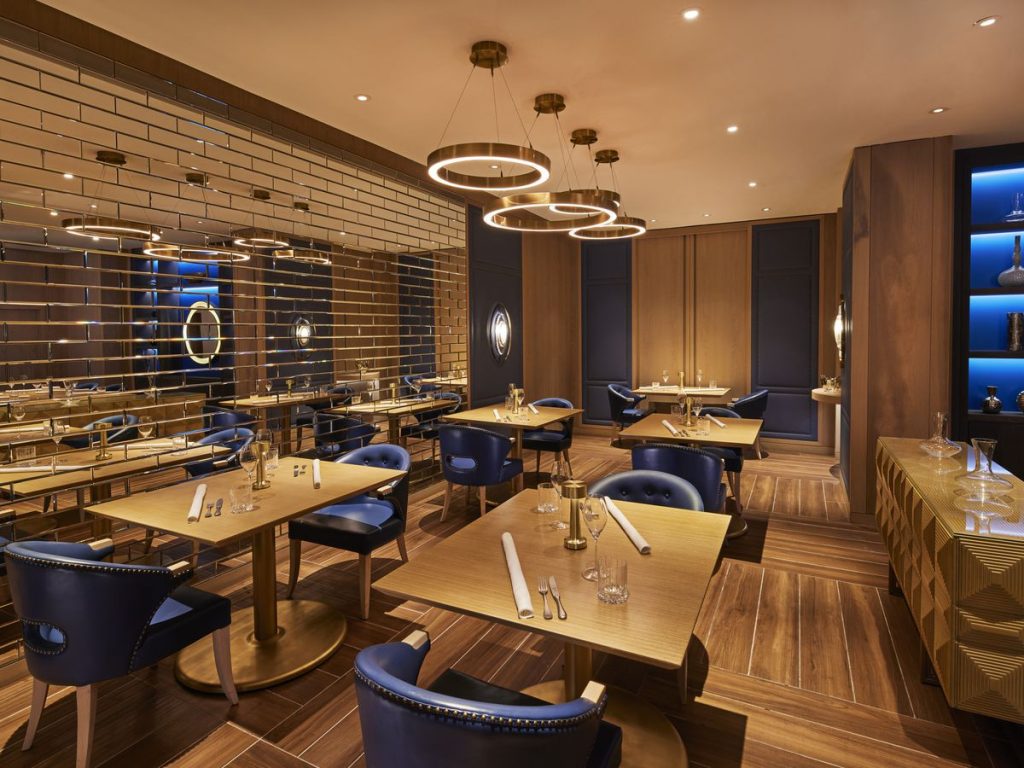
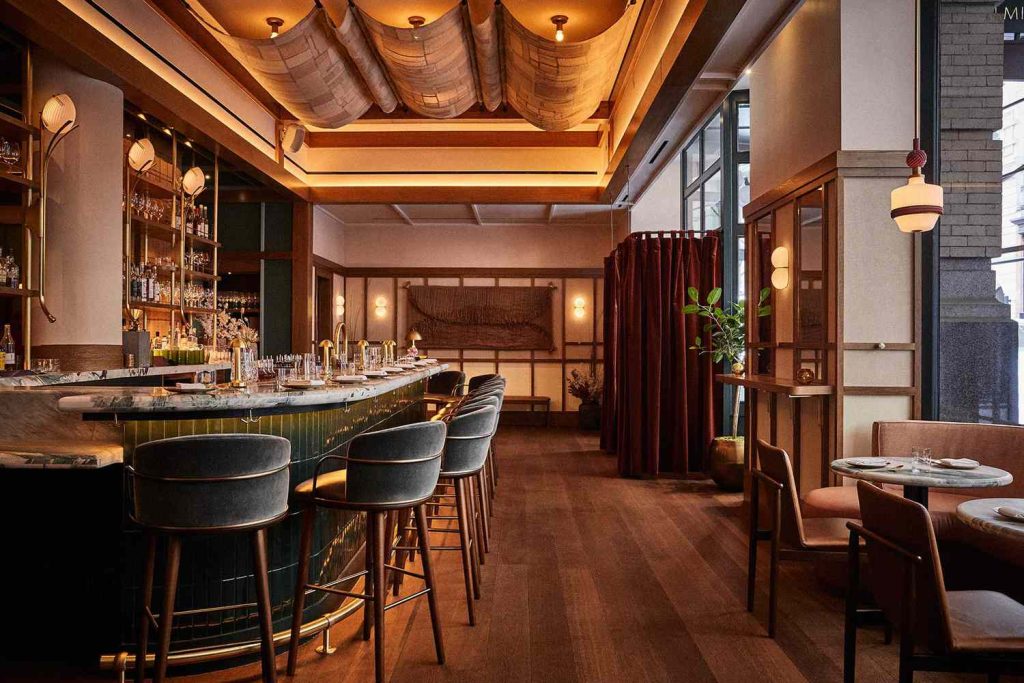
Lighting can significantly influence customers’ appetites and dining choices. Warm lighting with a soft glow can enhance the visual appeal of food, making it more appetizing and enticing. By utilizing lighting with natural light that highlights the colors and textures of the cuisine, restaurants can positively impact customers’ appetites and ultimately influence their dining choices.
Soft and warm lighting can create a cozy and intimate ambiance, promoting relaxation and a sense of comfort. By using task lighting and carefully selecting and adjusting lighting elements, restaurants can create an environment that evokes emotional responses in their customers, leading to enhanced satisfaction and positive dining experiences.





 _ USD
 _ AED